
7 Proven Signs You Need Water Damage Experts Before It’s Seriously Too Late
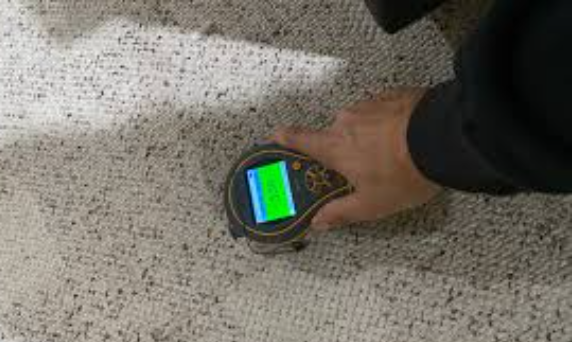
Table of Contents
Water damage experts are trained professionals who detect hidden moisture, stop structural deterioration, and restore your property before mold and rot set in permanently. The 7 signs you need them include: visible water stains, musty odors, warped floors, peeling paint, sudden high water bills, discolored ceilings, and a history of flooding. If you notice even one of these, calling a certified restoration team within 24 to 48 hours can be the difference between a minor repair and a complete rebuild.
Why Water Damage Is More Dangerous Than It Looks
Most homeowners don’t call water damage experts because they can’t see the problem clearly.
That’s exactly the issue.
Water is deceptive. It seeps behind walls, travels along joists, pools beneath flooring, and works silently for days ; sometimes weeks ; before you notice anything at all. By that point, mold colonies can already be forming, subfloors may have begun to rot, and structural integrity could be compromised.
According to the Insurance Information Institute, water damage and freezing account for nearly 24% of all homeowners insurance claims in the United States. That makes it one of the most common ; and most costly ; property disasters a homeowner can face.
In San Antonio and surrounding areas like New Braunfels, Schertz, and Cibolo, the combination of aging plumbing infrastructure, intense summer humidity, and unpredictable storm seasons creates the perfect conditions for water intrusion.
Here’s what many property owners don’t realize: the damage you can see is almost never all the damage that exists. That water stain on your ceiling? It likely traveled from a source three rooms away. That soft spot in your floor? It could signal rot that has been spreading for months.
This is why professional water damage experts are not a luxury. They are a necessity.
Let’s break down the 7 signs that tell you it’s time to make the call.
Sign 1: Water Stains That Keep Coming Back
You paint over it. Two weeks later, it’s back.
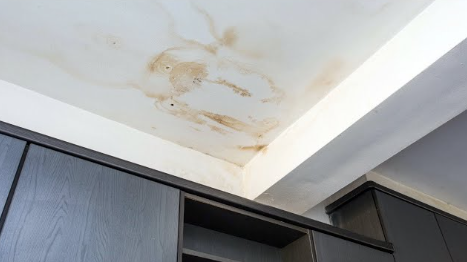
That is your property telling you something is wrong at a deeper level. A recurring water stain means there is an active moisture source that has not been addressed. It could be a slow pipe leak inside your wall, poor roof drainage, a failing HVAC condensate line, or even improper grading around your foundation.
Painting over a water stain is like putting a bandage on a broken bone. It covers the symptom without touching the cause.
Certified water damage experts use thermal imaging cameras and moisture meters to locate the exact source of the moisture ; often in places you would never think to look. In San Antonio homes especially, HVAC condensate lines are a frequent culprit, since air conditioning systems run almost year-round in this climate.
If a water stain on your wall or ceiling has returned more than once, please don’t repaint it again. Get a moisture assessment first.
You can learn more about what a professional water damage cleanup service actually includes before you decide on your next step.
Sign 2: That Stubborn Musty Smell in Your Home
Your nose is one of the earliest warning systems you have.
A persistent musty or earthy smell ; especially in bathrooms, basements, or areas near windows ; is a classic indicator of mold growth. Mold requires three things to grow: moisture, organic material, and warmth. San Antonio provides all three in abundance.
The tricky part is that mold often grows inside wall cavities, under flooring, and in attic insulation ; places you cannot see or smell clearly until the colony has grown large enough to be a serious problem.
Water damage experts understand that musty odors are not a cosmetic issue. They are a biological one. Left untreated, mold can cause respiratory issues, aggravate asthma, and in some cases lead to more serious health consequences, particularly for children, the elderly, and people with compromised immune systems.
When you call a professional restoration team, they do not simply spray a deodorizer and leave. They locate the moisture source, contain the affected area, and begin remediation that treats the root problem.
If mold is already visible or you suspect it, reading about mold remediation signs and risks can help you understand the scope of what you may be dealing with.
Sign 3: Warped, Buckling, or Spongy Floors
Walk across your hardwood floors and listen carefully.
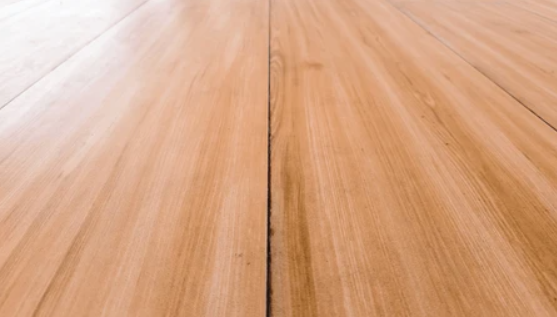
A hollow sound, a soft give underfoot, or visible warping or cupping in wood boards are all signs that moisture has infiltrated the subfloor beneath. This type of damage is particularly common after pipe leaks or appliance malfunctions, like a dishwasher or washing machine that has been slowly leaking at the base connection.
In San Antonio properties with slab foundations, water can also migrate upward through the concrete, saturating flooring from below. This is a scenario many homeowners don’t suspect because they never see a leak.
Spongy floors are a structural warning sign. If left unaddressed, the subfloor will deteriorate, joists can rot, and the repair cost escalates dramatically from hundreds of dollars into the thousands.
Water damage experts carry specialized moisture meters that measure moisture content in wood. Healthy wood flooring should have a moisture content below 12%. Anything higher signals a problem that needs professional intervention.
For properties in Leon Valley, Cibolo, or Universal City that have experienced recent plumbing issues, understanding the first steps after a pipe break is essential reading.
Sign 4: Peeling Paint or Bubbling Wallpaper
Your walls are talking to you ; most people just don’t listen.
Peeling interior paint and bubbling or lifting wallpaper are signs that moisture has worked its way into the wall substrate behind the surface finish. When drywall absorbs water, it loses its rigidity, swells slightly, and can no longer hold the adhesion of paint or paper applied to it.
This is a common sight in bathrooms with poor ventilation, kitchens near the sink, and exterior walls in older homes with inadequate vapor barriers.
The mistake most homeowners make here is stripping the wallpaper or repainting without investigating what caused the moisture. Without addressing the source, the problem returns ; usually faster and worse than before.
Water damage experts will assess whether the damage is surface-level or whether the drywall itself needs to be removed and replaced. In many cases, drywall that has been wet for 48 hours or more must be removed entirely to prevent mold from forming inside the wall cavity.
Sign 5: Your Water Bill Spiked for No Clear Reason
If your household usage habits haven’t changed but your water bill has jumped unexpectedly, that extra water is going somewhere.
A spike in your monthly water bill ; especially when you haven’t run more laundry, filled a pool, or added new appliances ; often points to a leak inside your walls, beneath your slab, or underground in your supply line.
These are the most dangerous kinds of leaks because they are completely invisible. They can saturate the soil beneath your foundation, erode support, and cause structural settling. In homes built on clay-heavy soil (which is common across much of San Antonio and Bexar County), this type of moisture intrusion can cause foundation movement over time.
Water damage experts can perform leak detection using acoustic equipment and thermal imaging. Rather than cutting into every wall to find the source, they use non-invasive technology to pinpoint the leak location with precision.
If you’re wondering how water mitigation services work and what the process looks like, it’s worth reviewing before your assessment.
Sign 6: Discolored or Sagging Ceilings
A healthy ceiling is flat, firm, and uniformly colored.
A ceiling that has yellow or brown discoloration, soft spots, or a slight sag is one that has been wet ; and in many cases, it is still wet. This often happens due to a bathroom leak on the floor above, a roof penetration issue, or a condensate line from an HVAC unit that has backed up.
Sagging ceilings are particularly urgent because they can eventually collapse under the weight of retained water. This is a safety hazard, not just a cosmetic one.
In commercial properties, like hotel rooms or apartment complexes, ceiling water damage can affect multiple units below a single leak source. This is why hotel restoration services require a specialized approach ; one that minimizes disruption to guests while addressing the damage comprehensively.
For residential homeowners, do not poke, prod, or attempt to drain a sagging ceiling on your own. The water trapped there can carry contaminants, and disturbing it without proper protection can create a secondary hazard.
Sign 7: Your Property Has a History of Flooding
Past flooding is a predictor of future vulnerability.
If your home or commercial property has experienced flooding before ; whether from a storm, a burst pipe, or a municipal water backup ; there is a high likelihood that some residual moisture damage was never fully remediated.
Many older restoration jobs were done quickly and without the thoroughness that modern equipment allows. Moisture left inside walls or beneath flooring can re-activate with humidity, creating new mold growth months or even years after the original incident.
Water damage experts approach previously flooded properties with extra diligence. They check behind drywall, beneath flooring, and in attic spaces for evidence of past moisture damage that was improperly treated.
If your property is in San Antonio, Austin, Seguin, or surrounding areas and has experienced previous flooding, reviewing a complete guide to residential water damage restoration can help you understand what a thorough remediation process should look like.
What Happens During a Professional Water Damage Assessment
When you call water damage experts, here is what a proper assessment typically includes:
Step 1: Visual Inspection The technician walks the entire affected area, noting visible signs of water intrusion, staining, warping, and mold.
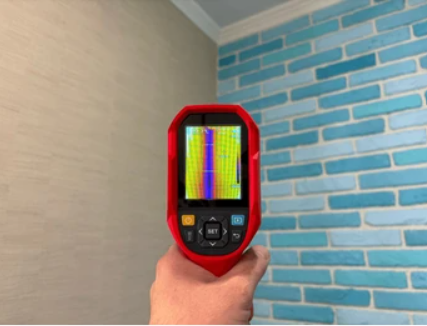
Step 2: Moisture Mapping Using moisture meters and thermal imaging, the team maps out every area of elevated moisture in walls, floors, and ceilings ; including areas that appear dry on the surface.
Step 3: Water Category Classification Water is classified as Category 1 (clean), Category 2 (gray water), or Category 3 (black water/sewage). This determines the safety protocols and remediation methods required.
Step 4: Damage Documentation Everything is photographed, measured, and documented ; not just for the restoration plan, but for your insurance claim.
Step 5: Remediation Plan Presentation The team walks you through exactly what needs to happen, in what order, and why. No surprises.
If you have experienced emergency water damage and want to know what to expect step by step, that resource outlines the process clearly.
How Insurance Fits Into All of This
One of the biggest concerns homeowners have when they discover water damage is whether their insurance will cover it.
The short answer: it depends on the cause and your policy.
Sudden and accidental water damage ; like a burst pipe or appliance failure ; is typically covered under standard homeowners insurance. Gradual leaks or flooding from external water sources are treated differently, and flood-specific events often require a separate NFIP flood insurance policy.
This is why documentation from the very first moment matters. Water damage experts document everything in a format that insurance adjusters understand and accept.
Prime Time Restoration has an in-house team that assists clients with the insurance claim process from beginning to end. If you’re dealing with a claim in areas like Hondo, Boerne, or Canyon Lake, reading about insurance claim assistance in Hondo or insurance claim assistance in Boerne can prepare you for what’s ahead.
Prime Time serves hotels and hospitality properties, multifamily units, apartment complexes, and hospitals across San Antonio and over 20 surrounding communities. Their 24/7 emergency line is 210-656-3469, and their team is based at 11495 Topperwein Road, San Antonio, TX 78233. You can also reach them at [email protected].
Stay connected and see real client results on their Instagram, Facebook, and LinkedIn pages.
How soon should I call water damage experts after discovering moisture?
As soon as possible. Mold can begin forming within 24 to 48 hours of water exposure. The sooner professionals arrive, the less damage occurs.
Can I handle water damage cleanup myself?
For very minor surface spills, yes. But for anything involving walls, flooring, ceilings, or any standing water, professional remediation is strongly recommended. DIY cleanup often misses hidden moisture that leads to mold.
Does water damage always lead to mold?
Not always, but it often does if the moisture is not dried professionally within 48 hours. Mold requires moisture to survive ; eliminate the moisture and you eliminate the risk.
How long does water damage restoration take?
Simple jobs can take 3 to 5 days. More complex restoration projects can take 2 to 4 weeks depending on the extent of damage and whether reconstruction is required.
Conclusion
Water damage is rarely a simple problem. It hides, it spreads, and it grows more expensive with every day it goes untreated.
The seven signs outlined in this article are not reasons to panic. They are reasons to act wisely and quickly. Whether you’re a homeowner in San Antonio, a property manager in Schertz, or a hotel operator in Selma, early intervention by qualified water damage experts is the single most effective way to protect your investment.
Here is the question worth sitting with: How long has that stain on your ceiling actually been there? And what might be growing behind it?
You can read verified client experiences on Prime Time Restoration’s testimonials page or explore their full water damage restoration services to understand your options.