Commercial Water Damage Restoration Services: 7 Powerful Truths Every Business Owner Must Know
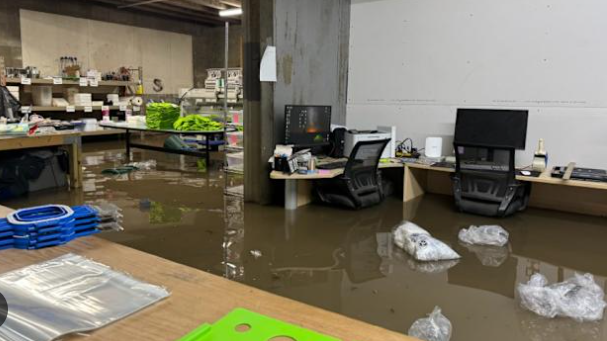
Table of Contents
Commercial water damage restoration services are professional processes that extract water, dry structural materials, remediate mold risks, and return a business property to its pre-damage condition; typically beginning within hours of a water event. For business owners in San Antonio and surrounding areas, acting within the first 24 to 48 hours is critical to preventing secondary damage, minimizing revenue loss, and keeping insurance claims on track.
Why Commercial Water Damage Is Different From Residential Damage
Most people understand water damage as a burst pipe under a kitchen sink or a flooded basement at home. Commercial water damage is an entirely different challenge; and the stakes are significantly higher.
In a commercial setting, you are not just dealing with damaged walls and wet flooring. You are managing disrupted operations, employees who cannot work, customers who cannot be served, inventory that may be unsalvageable, and contracts that may be in jeopardy.
Commercial buildings also tend to be larger in square footage, which means water travels farther and affects more structural materials. HVAC systems, electrical panels, server rooms, and storage areas all become vulnerable the moment water enters the building.
The structural complexity alone demands a different level of expertise than what is needed for a typical home. That is why commercial water damage restoration services require certified specialists who understand not just how to remove water, but how to protect an entire business operation while doing it.
The True Cost of Ignoring Water Damage in Your Business
Let us be direct about something that is not discussed enough: delaying your response to commercial water damage will cost you far more than the restoration itself.
Commercial water damage insurance claims average $21,000 per incident. But that figure only tells part of the story. When you factor in lost revenue during downtime, replacement of specialized equipment, and the cost of mold remediation if the property is not dried properly, businesses can face average losses of up to $50,000 per water damage incident. Water damage at a commercial property can close a business for weeks or months. For a hotel, apartment complex, or medical facility, even a few days of closure can permanently damage client relationships and revenue streams.
There is also the mold factor. Mold remediation adds $4,000 to $6,000 to average water damage claim costs when it is not addressed in the initial restoration window. Mold begins forming within 24 to 48 hours of water exposure; making the speed of your commercial water damage restoration services response one of the most financially consequential decisions you will make.
Understanding these numbers is not meant to frighten you. It is meant to help you make a smarter, faster decision when water shows up uninvited.
What Commercial Water Damage Restoration Services Actually Include
This is where many business owners are genuinely surprised. Commercial water damage restoration services are not just “drying things out.” They are a comprehensive, multi-stage process carried out by trained professionals using industrial-grade equipment.
Here is what a proper service covers:
Water Extraction and Flood Removal
The first and most urgent step is getting the water out. Industrial-grade water extractors remove standing water from floors, carpets, and structural cavities. This is not something a shop vac can accomplish. You can learn more about how this process works in detail at water damage and restoration: flood to finish.
Structural Drying
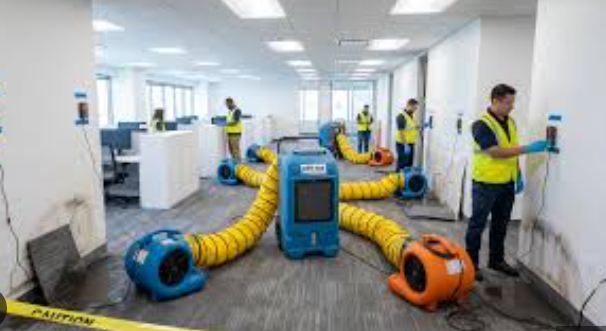
Once water is extracted, the drying process begins using high-capacity dehumidifiers and commercial air movers. Industrial-strength fans and dehumidifiers reduce humidity and dry out carpet, furniture, drywall, wood, and other materials; while moisture meters track progress until safe levels are reached throughout the building.
Moisture Detection and Mapping
Advanced tools such as moisture meters and thermal imaging cameras are used to inspect all affected areas, including hidden spaces like behind walls and under floors. This matters enormously in commercial spaces because water hides in places the human eye simply cannot find.
Sanitization and Decontamination
Water carries bacteria. Depending on the source (a burst pipe, a sewage backup, or a roof leak after heavy rain), your building may be exposed to contaminated water. Proper sanitization is not optional; it is a health and legal requirement, particularly in hotels, hospitals, and apartment complexes.
Odor Control and Air Quality Restoration
Portable filtration systems (air scrubbers) are used to remove airborne contaminants and restore indoor air quality. Lingering odors after a water event are a sign that the drying and cleaning process was not thorough enough.
Document and Content Recovery
Commercial spaces hold critical business records, computers, equipment, and inventory. Responsible commercial water damage restoration services prioritize recovering and drying valuable contents; not just the structure itself.
For more on what water mitigation means versus full restoration, this water mitigation services explained guide breaks it down clearly.
The Restoration Process: What Happens Step by Step
Knowing exactly what to expect when you call a commercial water damage restoration team helps reduce the anxiety of an already stressful situation. Here is a clear breakdown of how the process typically unfolds.
Step 1: Emergency Contact and Dispatch
Your call triggers an immediate response. A team is dispatched to your location. Prime Time Restoration operates with a 90-minute response time across San Antonio and surrounding areas; including Austin, Boerne, New Braunfels, Kyle, and Leon Valley.
Step 2: Damage Assessment
Upon arrival, the team identifies the source of water intrusion, evaluates the damage using advanced tools, and classifies the water type to ensure restoration work is completed accordingly. Water is classified as clean, gray, or black; and that classification determines the level of safety protocols required.
Step 3: Water Extraction
Commercial-grade water extractors remove standing water immediately. Every minute of standing water increases the depth of structural saturation; so speed matters at this stage more than any other.
Step 4: Drying and Dehumidification
This phase uses strategically placed equipment throughout the building. Throughout the drying process, highly specialized instruments assess moisture levels in floors, walls, and other areas until they reach proper levels.
Step 5: Cleaning and Antimicrobial Treatment
Every affected surface is cleaned and treated. After a sewage backup in a commercial setting, restoration professionals must follow stringent health code protocols, using powerful disinfectants and verifying cleanliness with post-remediation testing to ensure the space is safe for use.
Step 6: Reconstruction and Restoration
Once the building is dry, clean, and decontaminated, reconstruction begins. This may involve replacing drywall, flooring, ceilings, or structural components; depending on the extent of the damage. For a detailed breakdown of how this process unfolds, visit our emergency water damage restoration 5-step process.
How Mold Fits Into the Picture
Mold is the quiet consequence of water damage that business owners often underestimate; until it becomes a full-scale health hazard.
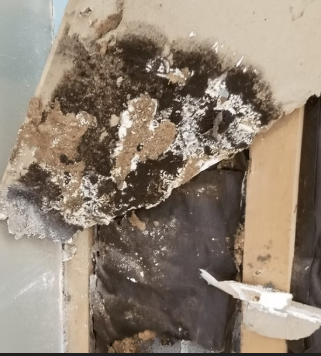
When a commercial building is not dried completely after a water event, mold spores begin colonizing within 24 to 48 hours. In a commercial space with limited airflow, behind drywall, or under flooring, mold can spread for weeks before it becomes visible.
The health risks in a commercial setting are serious. Employees exposed to mold over time may experience respiratory issues, allergic reactions, and prolonged illness. In environments like hospitals or multifamily housing units, this is not just an inconvenience; it is a liability.
This is why certified commercial water damage restoration services always include moisture verification; not just surface drying. Our article on commercial mold remediation and business property value explains why addressing mold during the restoration phase is always more cost-effective than dealing with it as a separate problem later.
You can also explore mold remediation: signs, risks, and professional guidance to know the early warning signs before they escalate into something larger.
Navigating the Insurance Side of Things
One of the most overlooked aspects of commercial water damage is the insurance claim process. Business owners often assume insurance will cover everything; and are blindsided when claims are delayed, underpaid, or denied entirely.
Here is what you need to know.
First, documentation is everything. From the moment water damage occurs, photograph and video every affected area before anything is moved or touched. Chain-of-custody documentation for all treatments and products used; including lots and dwell times, is critical to supporting scope and billing alignment with carrier guidelines.
Second, work with a restoration company that understands insurance protocols. Working with a restoration company that specializes in commercial properties is crucial to ensuring the best possible outcome; and selecting a provider that offers 24/7 emergency services and responds quickly can minimize downtime and the extent of the damage.
Third, file early. It is essential to document all damage and keep detailed records of the restoration process; working closely with your insurance company and providing necessary documentation can expedite the claims process.
Prime Time Restoration provides direct insurance assistance to business owners throughout San Antonio and surrounding areas. We help you document the damage, communicate with your adjuster, and avoid the costly mistakes that delay payouts.
See how we have helped clients navigate this process in Buda, Cibolo, Houston, Hondo, and Dallas.
Who Needs Commercial Water Damage Restoration Services Most
While any business is vulnerable to water damage, certain industries face disproportionately high risk and must act with the greatest urgency.
Hotels and Hospitality
A single water event on one floor of a hotel can force you to take multiple rooms out of service, cancel bookings, and face negative reviews that follow you online for months. Water also travels quickly through plumbing stacks; meaning a leak on the fifth floor can damage the fourth, third, and second floors before it is even detected.
Our article on hotel restoration services designed to minimize downtime is worth reading carefully if you operate in the hospitality space.
Multifamily Units and Apartment Complexes
For apartment owners and property managers, a water event in one unit almost always affects neighboring units. Your legal obligation to provide habitable housing means you cannot delay restoration; even by a single day. Tenant relationships and your reputation as a landlord depend entirely on how quickly you respond.
Hospitals and Medical Facilities
Hospitals have zero tolerance for contaminated water or mold. Patient safety, regulatory compliance, and operational continuity all demand immediate, certified commercial water damage restoration services whenever a water event occurs; regardless of size.
Those with increased risk and the most to lose are typically in commercial real estate; especially high-rises; and in the hospitality and health services industries.
For an in-depth understanding of what property owners in these categories need to know, visit property restoration services: what owners must know.

Why Response Time Is Everything
When water enters a commercial building, every minute influences revenue, customer trust, and employee safety.
Within the first hour, water saturates flooring and begins migrating into wall cavities. By 24 hours, structural materials are deeply saturated and mold risk is elevated significantly. By 48 hours, drywall, insulation, and wooden framing may need full replacement rather than drying; dramatically increasing your total costs.
Prime Time Restoration operates with a 90-minute response time for commercial water damage across San Antonio and the greater region; including Schertz, Selma, Universal City, Live Oak, Converse, and Fair Oaks Ranch.
This speed is not just about convenience; it is about protecting your bottom line and the future of your business.
The minutes and hours after a burst pipe or a flood are critical; responding quickly and efficiently can be the difference between a small water loss and one that causes a business to close its doors forever.
To understand why round-the-clock availability matters so deeply in these situations, read why 24/7 restoration services matter.
You may also find our resource on pipe breaks in Cibolo TX: what to do in the first 60 minutes helpful as a practical guide for that critical first window.
How to Choose the Right Restoration Partner for Commercial Water Damage Restoration Services
Not every restoration company is equipped to handle commercial properties. Here is what to look for before you make that call.
IICRC Certification
The Institute of Inspection Cleaning and Restoration Certification (IICRC) is the gold standard in the restoration industry. Technicians with IICRC certification have been trained to industry-accepted standards; giving you confidence that the job will be done correctly the first time.
Commercial Experience
Residential and commercial restoration require different equipment, different team sizes, and different project management capabilities. Always ask specifically about their commercial track record.
24/7 Emergency Availability
Water damage does not happen during business hours. Your restoration partner must be reachable and deployable around the clock; every single day of the year.
Insurance Coordination Experience
A good commercial restoration company does not just fix your building. They help you document, file, and navigate the insurance process so you recover financially; not just physically.
Transparent Communication
You should receive consistent project updates, moisture readings, and timeline projections throughout the entire process. No guessing, no surprises.
Prime Time Restoration checks every one of these boxes. With services covering water damage restoration in San Antonio, Austin, and Seguin; and with a broader understanding of remediation vs. restoration and which one you need; we bring certified expertise and a genuine commitment to minimizing your downtime.
Read what our clients say about their experience with us at Prime Time Restoration testimonials.
Conclusion
Commercial water damage is one of the fastest-moving threats your business will ever face. The longer you wait, the more it costs; in repairs, in downtime, and in the long-term confidence of your customers, tenants, and team.
But here is the good news: with the right commercial water damage restoration services partner, you are not navigating this alone. From the moment our team arrives, we take ownership of the process so you can focus on keeping your business moving forward.
Whether you operate a hotel in the heart of San Antonio, an apartment complex in New Braunfels, or a medical facility in Universal City; Prime Time Restoration is ready to respond in 90 minutes or less.
Have you ever stopped to think about what would happen to your business if water damage struck tonight; and how prepared you truly are?
Call us now at or follow us for tips and updates on Instagram, Facebook, and LinkedIn.
Prime Time Restoration | 11495 Topperwein Road, San Antonio, TX 78233 | 210-656-3469