Fire Damage Cleanup Near Me: 9 Powerful Steps Every Property Owner Must Know to Recover Fast
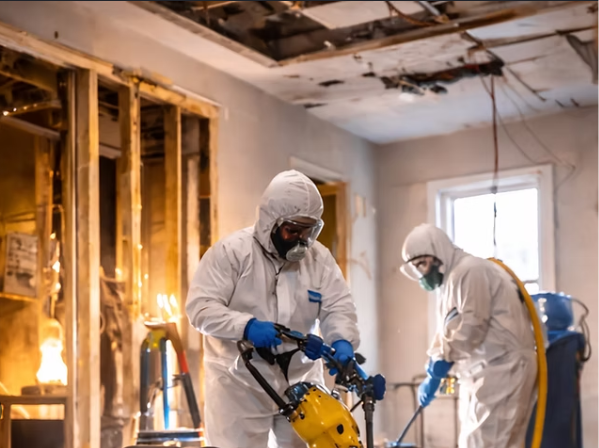
Table of Contents
When searching for fire damage cleanup near me, the most important thing to know is this: the cleanup process begins long before the flames are fully out. Professional fire damage restoration involves nine critical steps, starting with securing the property and ending with full reconstruction. Each step must happen in the right order to prevent secondary damage from smoke, soot, and water used during firefighting. This guide walks you through every phase so you know exactly what to expect.
Why Fire Damage Is a Multi-Layered Emergency
A fire leaves behind more than ash and charred walls.
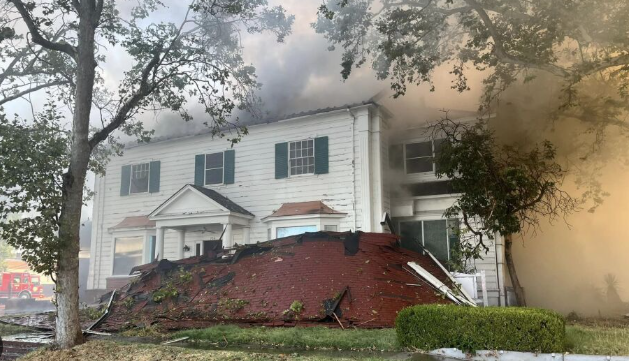
It leaves behind smoke particles embedded in every surface. It leaves behind soot that continues to corrode metal, stain fabrics, and damage electronics for days after the flames are gone. It leaves behind the water ; hundreds of gallons of it ; used by firefighters to stop the blaze. And underneath all of that, it often leaves behind structural damage that is invisible to the untrained eye.
When people search for “fire damage cleanup near me,” they are usually hoping for a simple solution: come clean it up, fix what’s broken, and be done. The reality is that fire damage recovery is a carefully sequenced process that, if rushed or done improperly, leads to long-term problems including mold, toxic air quality, and structural failures.
House fires in Texas are more common than many residents realize. The Texas State Fire Marshal’s Office reports thousands of residential and commercial fires annually across the state, with kitchen fires, electrical faults, and wildfires being among the leading causes.
In cities like San Antonio, Boerne, Spring Branch, and Timberwood Park, where properties can sit close together and older electrical systems are common, fire risk is a real and ongoing concern.
Understanding what proper fire damage cleanup looks like ; step by step ; is one of the most important things a property owner can learn. Let’s go through it.
Step 1: Make Sure the Scene Is Officially Safe
Before anyone enters a fire-damaged property, the scene must be cleared by the fire department.
This is not a suggestion. It is a legal and safety requirement.
Fire departments conduct a formal clearance before allowing re-entry. This clearance ensures that the structural integrity of the building has been evaluated, hidden hot spots have been extinguished, and any utility hazards (gas leaks, live electrical wires) have been addressed.
Even after clearance, some areas of the building may still be structurally compromised. A fire can damage load-bearing walls, weaken floor joists, and compromise roofing without those failures being visually obvious.
When you call a professional restoration team for fire damage cleanup near me, they will confirm clearance before sending technicians in, and they will perform their own secondary structural assessment before beginning work.
Do not enter a fire-damaged home alone ; especially not at night or before it has been properly ventilated.
Step 2: Call Your Insurance Company Immediately
The moment it is safe to do so, contact your insurance provider.
This step matters more than most people realize. Insurance policies have specific timeframes within which you must report a loss. Delaying that call can create complications in your claim.
When you speak with your insurer, do the following:
Report the fire and the estimated scope of damage. Ask specifically what your policy covers ; structural damage, contents, smoke damage, and temporary living expenses are all separate coverage items. Request a claim number and the name of your assigned adjuster. Ask whether your insurer has preferred vendors for fire damage cleanup.
It is also worth knowing that you are not required to use your insurer’s preferred vendor. You have the right to choose a licensed, qualified restoration company.
Prime Time Restoration works with insurance companies directly, helping clients in areas like Dallas, Houston, Fair Oaks Ranch, and San Marcos navigate the documentation and claims process. You can explore resources on insurance claim assistance in Dallas and insurance claim assistance in Houston for regional guidance.
Step 3: Secure the Property with Board-Up and Tarping
A fire-damaged property is an open, vulnerable space.
Broken windows, burned-out roof sections, and compromised walls create entry points for rain, wind, animals, and unfortunately, opportunistic theft. Within the first hours after a fire, a professional restoration team will board up openings and apply roof tarps to prevent secondary damage.
This step is often underestimated, but it is critical.
If rain enters a fire-damaged property through an unsecured roof opening, you now have a fire damage problem and a water damage problem at the same time. Insurance adjusters have seen this scenario create claim complications because some policies treat them as separate events.
Proper board-up and tarping protect the structure, protect salvageable contents, and protect the validity of your insurance claim.
Step 4: Remove Standing Water from Firefighting Efforts
Here is something many people don’t expect after a fire: there is usually a significant amount of water inside the building.
Firefighters use high-pressure hoses that can deliver hundreds of gallons per minute. By the time a fire is controlled, the water used to extinguish it has often soaked into floors, pooled in basements, saturated drywall, and settled into every low-lying area of the structure.
This water must be removed quickly ; within 24 to 48 hours ; to prevent mold growth from layering on top of the existing fire damage.
Professional water extraction equipment, including truck-mounted extractors and high-capacity dehumidifiers, are used to pull moisture out of the structure. After extraction, the drying process is monitored with moisture meters until all readings return to normal.
You can understand this process better by reviewing how water and flood restoration works from start to finish ; a process that applies directly to post-fire water removal as well.
Step 5: Assess the Damage Properly ; All Three Types
Fire damage comes in three distinct categories, and each requires different treatment.
Flame Damage: The direct destruction caused by fire. Charred materials, burned structural components, and incinerated contents. This is what most people visualize when they think of fire damage.
Smoke Damage: Smoke particles are microscopic and they travel. They embed into fabrics, insulation, drywall, HVAC systems, and cabinetry ; often in rooms that never experienced direct flames. Smoke damage can extend to the entire building even if the fire was contained to one room.
Soot Damage: Soot is the oily, dark residue left behind by incomplete combustion. It is corrosive. Soot will permanently stain porous surfaces if not removed properly, and it will corrode metal fixtures, appliances, and hardware within days.
A thorough fire damage assessment documents all three types with photographs, moisture readings, and written reports. This documentation becomes the foundation of your insurance claim and your restoration plan.
For a detailed walkthrough of how professional fire restoration proceeds at each stage, see this fire damage restoration step-by-step guide.
Step 6: Soot and Smoke Removal
This is one of the most technically demanding parts of fire damage cleanup near me situations.
Soot cannot be wiped away with a regular cloth. Doing so will smear and embed it further into the surface. Instead, professional technicians use dry chemical sponges for initial soot removal, followed by specialized alkaline cleaners that neutralize the acidic nature of soot deposits.
Smoke odor is equally complex. The particles that carry that sharp, acrid smell are embedded in every porous surface in the building ; walls, flooring, furniture, clothing, and even inside HVAC ductwork. Simply ventilating the building is not enough.
Professional-grade smoke odor removal methods include:
Thermal Fogging: A deodorizing fog is heated to penetrate the same surfaces that smoke reached, neutralizing odor molecules at their source.
Ozone Treatment: High concentrations of ozone gas oxidize and break down odor-causing smoke particles. This treatment requires the building to be vacated during application.
Air Scrubbers with HEPA Filtration: These continuously cycle and filter air, removing fine particulate matter that would otherwise remain suspended in the indoor environment.
For properties in Leon Valley, Schertz, and surrounding communities, Prime Time’s fire restoration specialists are available 24/7 and use all three methods depending on the severity of smoke infiltration.
Step 7: Odor Neutralization (This Step Is Often Skipped)
Let’s be honest about something: many lower-quality restoration companies mask smoke odors rather than eliminating them.
They apply fragrance-heavy sprays that smell clean for a week, and then the smoke returns as the masking agents dissipate. True odor neutralization destroys the odor compounds at a molecular level ; it does not cover them.
Certified fire damage cleanup professionals follow IICRC S700 standards for smoke and odor remediation. These standards define the proper sequence of treatments required for complete odor elimination.
If you hire a company that does not mention IICRC certification, ask specifically what odor neutralization methods they use and whether they offer any guarantee on odor removal. This single question separates professional restorers from less qualified operators.
Step 8: Content Cleaning and Salvage
Not everything in a fire-damaged property is a total loss.
Many items that appear ruined can be professionally restored: furniture, clothing, documents, electronics, artwork, and family keepsakes. Professional content cleaning uses ultrasonic cleaning machines, specialized solvents, and dry-cleaning processes to recover items that a layperson would discard.
Content salvage is also important for your insurance claim. Every item that can be restored reduces your claim payout, which helps keep your premiums manageable in the future.
A good restoration company will inventory every item in the affected area, classify it as salvageable or non-salvageable with documentation, and create an itemized list that your insurance adjuster can review.
Prime Time Restoration provides content cleaning and textile restoration as part of their fire remediation services across the San Antonio metro, including properties in Kyle, Selma, and Live Oak.

Step 9: Structural Reconstruction
Once remediation is complete, the rebuild begins.
Reconstruction after fire damage can range from replacing a section of drywall and repainting a room to rebuilding an entire wing of a commercial property. What drives the scope is the damage assessment completed in Step 5.
Reconstruction should always be performed by a licensed contractor who coordinates directly with the restoration team. In the best-case scenario, you are working with a single company that handles both remediation and reconstruction. This eliminates communication gaps, reduces project delays, and simplifies the insurance documentation process.
Prime Time Restoration offers full reconstruction services, meaning they can take a property from fire damage assessment all the way through to final walkthrough without handing off to a third party.
For properties in Boerne and Hondo that have experienced fire damage, these guides on fire damage restoration in Boerne and fire damage restoration in Hondo provide location-specific guidance.
What to Never Do After a Fire
To protect yourself, your family, and your insurance claim, avoid these common mistakes:
Do not turn on the HVAC system. It will circulate soot and smoke particles through every room in the building.
Do not try to clean soot yourself. Improper cleaning methods spread and embed soot, making professional removal more difficult and costly.
Do not throw away anything before the insurance adjuster or restoration team has documented it. Disposing of damaged items without documentation can hurt your claim.
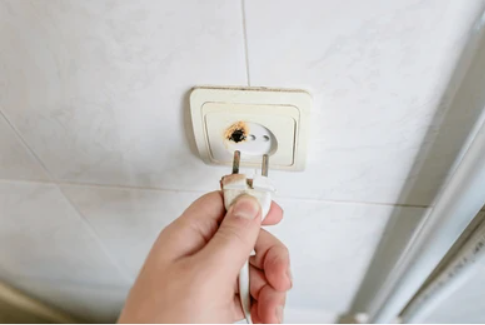
Do not use electrical outlets or appliances. Fire can damage wiring in ways that are not visible. Using appliances before an electrical inspection creates a fire or electrocution risk.
Do not assume the air is safe to breathe. Smoke and combustion byproducts include carbon monoxide, hydrogen cyanide, and fine particulate matter. Without proper air quality testing, you should not occupy a fire-damaged building.
How to Find Trustworthy Fire Damage Cleanup Near Me
Not every company that shows up in a search for “fire damage cleanup near me” is equally qualified.
Here is what to look for when choosing a restoration company:
IICRC Certification: The Institute of Inspection, Cleaning and Restoration Certification sets the industry standard. Look for companies with IICRC-certified technicians on staff.
24/7 Emergency Response: Fire damage does not wait for business hours. Your restoration company should be available around the clock.
Insurance Coordination: A quality company will work directly with your adjuster, provide documentation in required formats, and advocate for a fair claim settlement.
Local Presence: A company with deep roots in your area understands local building codes, insurance norms, and weather-related risks.
References and Reviews: Ask for local references or check verified review platforms to see how real clients describe their experience.
Prime Time Restoration checks every one of those boxes. They serve over 20 communities across Texas including San Antonio, Austin, Seguin, New Braunfels, and Universal City. Their response time is 90 minutes or less, and their teams are IICRC-certified. You can also see what past clients say on their testimonials page.
If you have experienced fire damage in San Antonio, their fire damage restoration San Antonio page outlines exactly how they approach each recovery project.
Prime Time serves hotels and hospitality, multifamily units, apartment complexes, and hospitals ; commercial environments where fast, professional recovery is not optional.
Address: 11495 Topperwein Road, San Antonio, TX 78233
Connect with Prime Time on Instagram, Facebook, and LinkedIn.
How long does fire damage cleanup take?
It depends on the severity. Minor fire damage can be remediated in 3 to 7 days. Major structural fires can take 4 to 12 weeks, especially when reconstruction is involved.
Is smoke damage covered by homeowners insurance?
Yes, in most cases. Smoke damage resulting from a fire is generally covered under standard homeowners insurance policies. The key is proper documentation.
Can I stay in my home during fire damage cleanup?
Usually not. Between the smoke, soot, water damage, and structural concerns, fire-damaged properties are typically not safe for habitation until remediation is complete and air quality has been certified as safe.
What is the first call I should make after a fire?
Call 911 first, obviously. Once you are safe and the fire is out and the scene is cleared, call your insurance company and then your restoration team simultaneously. Time matters.
Can fire-damaged electronics be saved?
Some can, depending on the extent of heat and smoke exposure. A professional content cleaning team can assess each item individually. Do not turn on electronics until they have been inspected.
Conclusion
A fire is one of the most jarring things a property owner can experience. In the hours and days that follow, the decisions you make will determine how quickly you recover ; and how completely.
The nine steps in this guide are not theoretical. They are the exact sequence that certified restoration professionals follow to bring a fire-damaged property back to safe, livable condition.
The companies that rank highest in searches for “fire damage cleanup near me” are not necessarily the best ones. The best ones are the ones who are certified, thorough, transparent, and committed to your recovery ; not just your check.
Don’t let the wrong choice turn a bad situation into a permanent one. Call Prime Time Restoration right now at 210-656-3469 and let a team that has done this hundreds of times across San Antonio and beyond take it from here.