
7 Proven Steps for Storm Damage Restoration Near Me: What Every San Antonio Homeowner Must Know
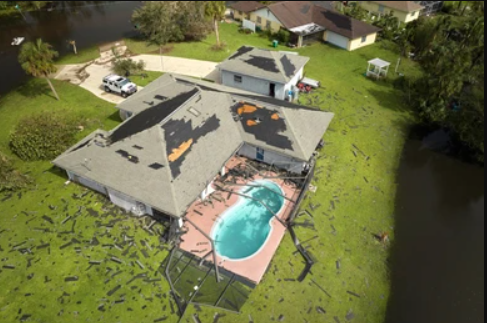
Table of Contents
Storm Damage Restoration Near Me: Storm damage restoration involves a structured, step-by-step process: assessing structural safety, documenting damage thoroughly, securing the property, extracting water, drying affected areas, remediating mold risks, and completing full reconstruction. In San Antonio and surrounding areas like New Braunfels, Schertz, and Converse, acting within the first 24 to 48 hours is critical to preventing compounding damage and protecting your insurance claim.
Why San Antonio Faces Some of Texas’s Worst Storm Damage
If you have spent any amount of time in San Antonio, you already know that Texas weather does not come with warnings. One afternoon it is sunny and dry; a few hours later, the sky turns green and your neighborhood looks like a warzone.
That is not an exaggeration.
Texas recorded 529 hail events in 2024, a staggering 167% increase from the previous year. And San Antonio sits right at the crossroads of the weather patterns that make this possible.
Texas, especially Central Texas, sits at the crossroads of warm, moist air from the Gulf of Mexico and cooler, dry air from the north and west. When these air masses collide, they create the perfect conditions for severe thunderstorms and hail. The numbers make this real: hailstorms cost Texas an average of $338.6 million in property damage every year. In 2016, San Antonio residents woke up to find baseball-sized hailstones wreaking havoc; these enormous chunks of ice destroyed windows, flattened cars, and ripped through roofs, leaving the city with $1.4 billion in damage. And it is not only hail.
Communities like New Braunfels, Canyon Lake, Spring Branch, and Seguin also face flash flooding from the same weather systems. From 1980 to 2024, there were 190 confirmed weather and climate disaster events with losses exceeding $1 billion each to affect Texas, including 126 severe storm events. Understanding this context is not meant to frighten you. It is meant to prepare you. Because when a storm hits your home or business, knowing exactly what to do next is the difference between a manageable repair and a catastrophic loss.
What Counts as Storm Damage? A Complete Breakdown
When most people search for “storm damage restoration near me,” they are thinking of a damaged roof or broken windows. But storm damage is broader and often more hidden than that.
Here is what a complete storm event can cause to a residential or commercial property:
Wind damage strips shingles, tears fascia boards, and lifts entire roof sections. Even moderate wind speeds of 60 to 70 mph, which are common in San Antonio thunderstorms, can compromise your roofing structure without looking dramatically different from the outside.
Hail damage punctures shingles, shatters skylights, and dents gutters. It also forces water through tiny gaps that were never meant to be entry points; gaps that grow larger over time.
Flooding from heavy rain saturates foundations, seeps into crawl spaces, and enters through compromised rooflines. High winds, thunderstorms, lightning, hail, and rain overflow or flooding from nearby bodies of water can all cause devastating storm damage, including structural collapse and widespread interior destruction.
Prime Time impact from falling trees or flying objects can break walls, damage structural framing, and create open exposure points that allow continuous water intrusion.
Secondary damage from any of the above; mold growth, electrical hazards, and deteriorating insulation; often causes more costly repairs than the initial storm event itself.
This is why storm damage restoration near me is not a single service. It is a full, structured recovery process.
Step 1: Prioritize Safety Before You Touch Anything
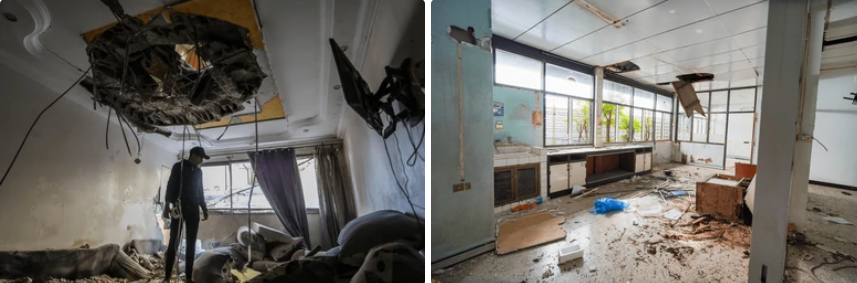
Before you enter any area of your home or commercial building following a severe storm, take a breath and assess from the outside.
Check for structural instability. If walls are visibly bowing, ceilings are sagging, or floors feel soft and spongy, do not walk through those areas. A ceiling loaded with absorbed water can collapse under its own weight.
Look for gas leaks. If you smell sulfur or rotten eggs near your gas appliances, exit immediately and call your utility company before calling anyone else.
Check for downed power lines. Never assume a downed power line is de-energized. Stay at least 30 feet away and call 911.
Turn off your main electrical breaker if water has entered areas near outlets, panel boxes, or wiring. Water and electricity are a deadly combination.
Only when you are confident the immediate environment is safe should you begin to assess and document. If in doubt, wait for a certified professional to conduct the initial inspection.
Step 2: Document Everything Before You Clean Up
This step saves homeowners and property managers thousands of dollars in denied or underpaid insurance claims. Yet it is the step most people skip in the rush to clean up.
Before you move a single piece of furniture or call a contractor, document the following:
Walk through every affected room and take photographs and video. Capture wide shots for context and close-ups for detail. Pay special attention to walls, ceilings, flooring, electrical panels, and any personal belongings.
Make a written inventory of damaged items. Include descriptions, approximate ages, and estimated values where possible.
Do not throw anything away, not even damaged materials. Insurance adjusters need to see what was actually damaged, not a cleaned-up version of events.
Note the date and time of the storm and cross-reference it with local weather reports. The National Weather Service records storm events, and this documentation can support your insurance claim.
For multi-unit properties such as apartment complexes and hotels, coordinate with your property management team to document all units before any restoration work begins. If you manage a hospitality property, you can read more about protecting your guests and your claim at Prime Time’s hotel restoration services guide.
For additional context on navigating the insurance process after a storm in areas like Canyon Lake or Hondo, Prime Time’s local guides; such as the insurance claim assistance tips for Canyon Lake and the insurance claim assistance guide for Hondo; are excellent references.
Step 3: Secure the Property from Further Damage
Once documentation is complete, the next priority is preventing more damage from entering the property.
This is called “mitigation,” and it is a legal obligation under most homeowner insurance policies. If you fail to take reasonable steps to protect your property after a storm, your insurer may reduce or deny your claim.
Roof tarping covers breached or missing shingles immediately, preventing additional rain from entering the structure. A tarp should be anchored with wood battens, not just draped loosely.
Board-up services seal broken windows, sliding glass doors, and breached wall sections. This not only blocks rain but also prevents unauthorized entry and animal intrusion.
Debris removal from the immediate surrounding area reduces the risk of additional impact damage in a follow-up storm event.
These initial protective steps are part of what sets a professional storm damage restoration company apart from a basic handyman service. Certified restoration professionals understand both the technical requirements and the insurance documentation standards for this phase.
If you are in San Antonio, Timberwood Park, Fair Oaks Ranch, or Boerne and need to understand what this process looks like region by region, check out the fire and storm damage restoration guide for Boerne and the Timberwood Park storm and fire restoration overview.
Step 4: Begin Water Extraction Immediately
Here is a fact that changes how most people think about storm damage: mold begins growing in as little as 24 to 48 hours after water intrusion begins.
That means waiting even a day to begin water extraction is not just inconvenient; it is expensive. By the time visible mold appears, you are dealing with a remediation project that can easily triple the original restoration cost.
Professional water extraction uses truck-mounted or portable high-capacity units capable of removing hundreds of gallons of water per hour. This is not comparable to a shop vac or wet-dry vacuum. The equipment used in professional storm damage restoration near me is specifically engineered to pull water from:
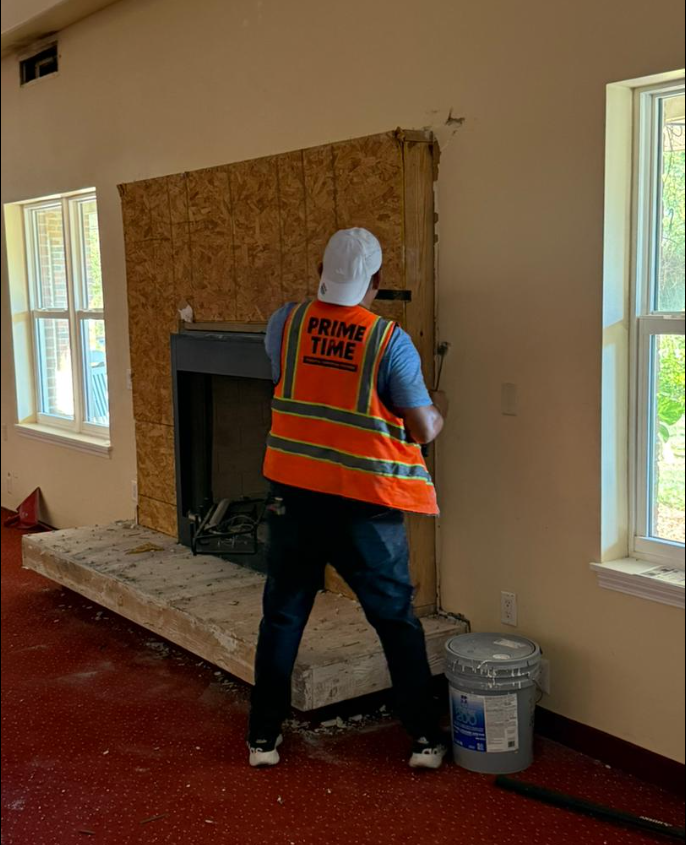
Subfloor materials and floor joists; wall cavities behind drywall; carpet pads and underlay; insulation within wall assemblies; and saturated ceiling drywall.
Each of these areas holds water longer than surface flooring, which is why visible drying does not mean structural drying. The water you cannot see is the water that causes the most long-term damage.
For a complete breakdown of what water cleanup professionally involves at each stage, visit Prime Time’s in-depth article: What’s Included in Water Damage Cleanup Services.
Step 5: Structural Drying and Moisture Monitoring
Extraction removes standing water. Drying removes the moisture that extraction cannot reach.
This phase uses three types of industrial equipment working together:
Air movers (also called axial fans) force high-velocity air across surfaces to accelerate evaporation from walls, floors, and ceilings.
LGR dehumidifiers (Low Grain Refrigerant) pull the evaporated moisture out of the air before it can settle into unaffected building materials.
Thermal imaging cameras and moisture meters allow certified technicians to map the exact boundaries of moisture inside wall assemblies and below floors; areas that look dry but are not.
Structural drying typically takes three to five days in a standard residential storm event, though larger commercial properties or multi-story buildings can take longer. Certified technicians should be checking and recording moisture readings daily to confirm progress.
If your property is in San Antonio, Leon Valley, or Universal City, Prime Time’s local service pages offer additional detail: water damage restoration in Leon Valley and water damage restoration services in Universal City.
Do not sign off on drying completion without receiving a written moisture log from your restoration company. This documentation is important for both your insurance claim and for confirming the space is truly ready for reconstruction.
Step 6: Mold Prevention and Environmental Remediation
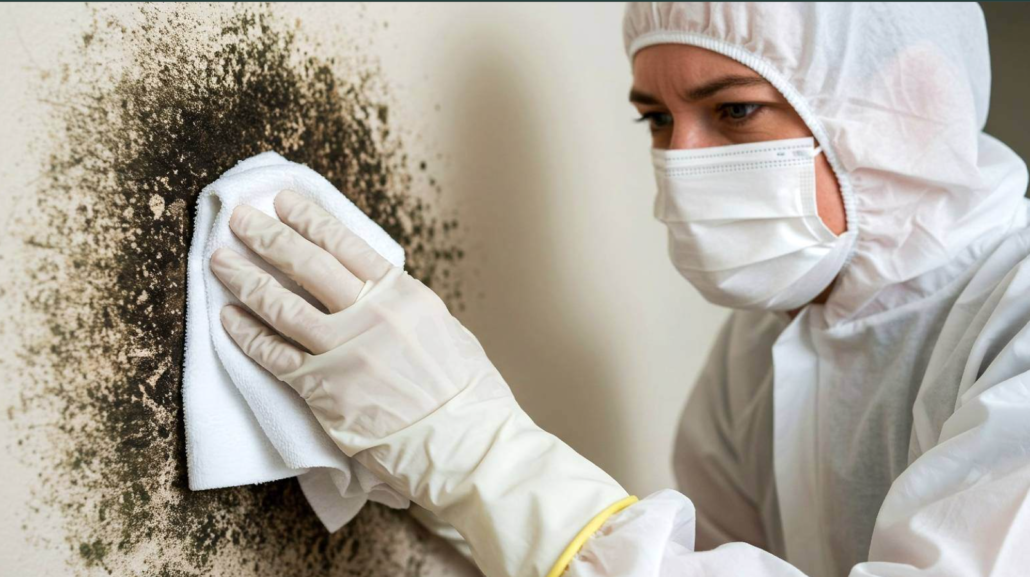
Mold is the silent second wave of storm damage. It travels in air currents, colonizes organic materials, and causes health risks ranging from respiratory irritation to serious respiratory illness; particularly in vulnerable populations like the elderly, children, and those with asthma.
In commercial settings such as hospitals, apartment complexes, and hotels; where Prime Time serves a significant portion of its clients; mold remediation is not optional. It is a regulatory and liability requirement.
After structural drying, certified technicians apply antimicrobial treatments to affected surfaces, remove and properly dispose of materials that cannot be restored (such as saturated insulation or heavily contaminated drywall), and conduct air quality testing to confirm the environment is safe for re-occupancy.
In some storm scenarios, environmental hazards go beyond mold. Flood water from storms can carry sewage contamination, industrial runoff, and other biological hazards that require specialized Environmental Hazard Remediation protocols.
If your property has experienced issues related to legacy environmental hazards like asbestos or lead paint that may be disturbed during storm restoration work, Prime Time’s resources on asbestos removal in Leon Valley and lead paint removal in Leon Valley provide important guidance.
For commercial property managers specifically, Prime Time’s guide on commercial mold remediation and its effect on business property value is highly recommended reading.
Step 7: Reconstruction and Full Property Restoration
Restoration does not end when the building dries out. After mitigation, the structure itself must be rebuilt to pre-loss condition; or better.
Reconstruction includes replacing drywall and insulation; refinishing or replacing flooring; repairing or replacing damaged roofing components; repainting affected areas; and in some cases, rebuilding entire structural sections including framing, subflooring, and load-bearing elements.
For residential properties, homeowners often underestimate how long this phase takes. For commercial properties such as multifamily units, apartment complexes, and hospitality facilities, minimizing reconstruction downtime is a direct business priority. Delays cost revenue.
A restoration company that offers full Reconstruction Services under one roof eliminates the handoff delays that come with hiring separate contractors for mitigation and rebuild. This integrated approach is one of the most significant advantages of working with a full-service provider.
To see how this process works from start to finish, Prime Time’s step-by-step fire damage restoration guide mirrors the same framework applied to storm restoration.
How to Choose Storm Damage Restoration Near Me in San Antonio
When you are standing in a water-damaged home after a storm, the last thing you want to do is comparison-shop. But choosing the wrong company at this moment can cost you significantly in poorly documented insurance claims, substandard drying, and mold problems months later.
Here is what to look for:
IICRC Certification. The Institute of Inspection, Cleaning and Restoration Certification sets the industry standard for training and methodology. Ask for it upfront.
24/7 emergency availability. Storms do not wait for business hours. Neither should your restoration company. Response time matters; every hour of delay increases moisture damage.
Insurance claim assistance. A reputable company will document damage, communicate directly with your adjuster, and help you get the maximum legitimate payout. If a company is not willing to assist with your insurance process, that is a red flag.
Service area coverage. Make sure your restoration partner serves your specific area. Prime Time serves San Antonio, Austin, New Braunfels, Schertz, Seguin, Cibolo, Kyle, Live Oak, Universal City, Dallas, Houston, and more.
Transparent process documentation. You should receive written moisture readings, progress updates, and a clear scope of work before and during restoration.
For verified client outcomes, read real experiences at Prime Time’s testimonials page.
For questions, you can reach the Prime Time team directly:
Address: 11495 Topperwein Road, San Antonio, TX 78233
You can also connect with the team on Facebook, Instagram, and LinkedIn.
Conclusion
Storm damage restoration is not a race; it is a process. Each step builds on the last, and skipping any phase creates problems that compound over time.
The storms that hit San Antonio, Boerne, Canyon Lake, and the surrounding Hill Country communities are not getting less severe. If anything, the data suggests they are intensifying. What homeowners and property managers can control is their response.
When you search for storm damage restoration near me after the next storm, you deserve a team that shows up fast, documents everything accurately, dries your structure completely, handles your insurance coordination, and rebuilds your property to the standard it deserves.
So here is a question worth sitting with before the next storm season arrives:
Is your property, and your restoration plan, truly ready for what Texas weather will bring next?