The Ultimate Guide to Commercial Water Restoration: 5 Critical Steps Every Business Owner in San Antonio Must Know
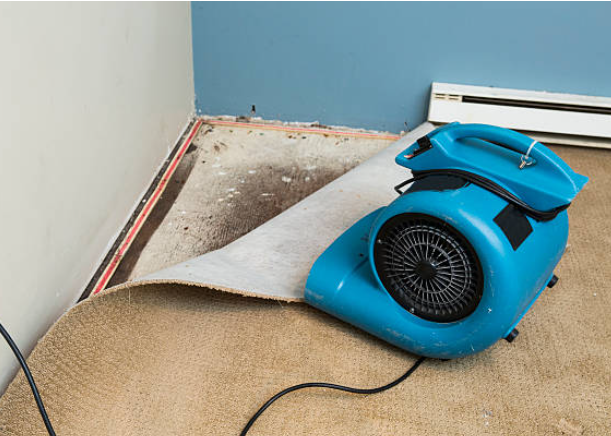
Table of Contents
Commercial water restoration is the professional process of extracting water, drying structural materials, sanitizing affected areas, and restoring business properties to full operational condition after water damage from flooding, burst pipes, roof leaks, or storm intrusion. For hotels, apartment complexes, hospitals, and multifamily properties in San Antonio and surrounding areas, a fast response; ideally within the first 90 minutes; is the single most important factor in minimizing downtime, preventing mold, protecting assets, and reducing overall restoration costs.
Why Commercial Water Damage Hits Differently Than Residential
When water invades a residential home, it disrupts a family. That is serious. But when water invades a commercial property, it disrupts an entire operation; employees, guests, patients, tenants, inventory, revenue, and reputation.
The stakes in commercial water restoration are simply different.
A flooded apartment building displaces dozens of families at once. A waterlogged hotel floors guests in the middle of the night. A hospital wing with a burst pipe cannot simply “pause operations.” A multi-tenant office building with water damage in the ceiling raises liability questions for every business below.
Commercial properties are also structurally more complex than homes. HVAC systems, elevator shafts, server rooms, commercial kitchens, laundry facilities, and multi-story plumbing networks all create more points of failure and more surface area for water to travel.
That complexity demands a restoration provider with specific commercial expertise, not just residential experience scaled up.
The 5 Most Common Causes of Commercial Water Damage in San Antonio
Before addressing restoration, it helps to understand how commercial water damage typically starts. San Antonio’s climate, aging infrastructure, and rapid commercial growth create a specific set of risk factors.
1. Burst or Leaking Pipes Aging plumbing in older commercial buildings is one of the leading causes of water intrusion. A single corroded pipe inside a wall can release hundreds of gallons before it is detected. Buildings in areas like Leon Valley, Hondo, and older districts of San Antonio are particularly vulnerable.
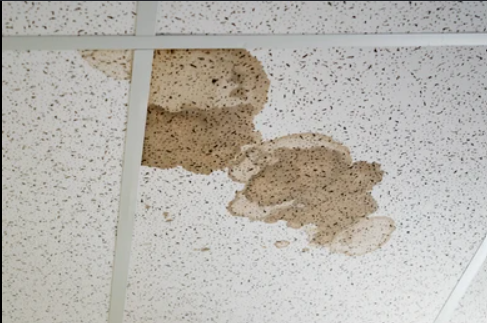
2. HVAC System Failures Commercial HVAC units contain condensate drain lines that clog or overflow. A clogged drain in a multi-story building can silently release water that travels through ceiling tiles and into the floor below, affecting multiple commercial tenants before anyone notices.
3. Roof Leaks and Storm Intrusion San Antonio receives sudden, intense storm events, particularly during spring and early fall. Commercial flat roofs are especially vulnerable to storm pooling and membrane failure, allowing water to saturate ceiling systems and interior finishes. Learn more at Storm Damage Restoration Near Me ; San Antonio.
4. Sprinkler System Malfunctions Fire suppression systems are critical safety assets, but when they malfunction or are accidentally triggered, they release massive volumes of water across an entire floor within minutes. This is a common source of large-scale commercial water events.
5. Flooding and Flash Events San Antonio and surrounding communities like New Braunfels, Canyon Lake, and Seguin experience flash flooding events that can overwhelm drainage systems and allow water to enter ground-floor commercial properties rapidly. Areas near Cibolo Creek and the Guadalupe River are historically flood-prone.
📷 IMAGE 2 Position: After “The 5 Most Common Causes” section Description: A wide-angle photo of a commercial ceiling with water-stained tiles and active water dripping onto a commercial floor in an office or retail space, showing brown water damage spreading across multiple ceiling panels. Alt Text: Commercial water restoration needed after burst pipe damage in San Antonio office building
Step 1 ; Immediate Emergency Response and Assessment
In commercial water restoration, speed is not just a selling point. It is a scientific imperative.
Water spreads rapidly through commercial spaces. It follows the path of least resistance, traveling through HVAC ducts, down elevator shafts, along conduit channels, and through suspended ceiling systems. Within the first hour, clean water can become contaminated as it interacts with building materials, dust, and mechanical system residue.
Within 24 to 48 hours, mold can begin colonizing damp materials.
The moment water damage is discovered in a commercial property, the priority is to call a professional restoration team with 24/7 emergency availability. The response team will arrive and immediately perform a full moisture mapping assessment using infrared thermal imaging and calibrated moisture meters. Every affected zone; visible and hidden; is documented before any work begins.
This documentation is critical for two reasons. First, it guides the restoration plan. Second, it provides the evidentiary foundation for your insurance claim. For guidance on navigating the claims process, visit Insurance Claim Assistance in San Antonio.
Step 2 ; Containment and Source Control
Before any water can be removed, the source must be stopped.
This sounds obvious, but it is a step that gets complicated quickly in commercial settings. If the source is a burst supply line, the building’s main water shutoff must be located and engaged; which in a large commercial building may require coordination with the property management team or even the municipal water provider.
If the source is storm intrusion or a roof failure, emergency tarping or board-up is implemented to stop further infiltration while restoration proceeds indoors.
Once the source is controlled, the restoration team establishes containment zones. In commercial settings, this is especially important because it allows unaffected areas of the building to continue operating. A wing or floor can be isolated while restoration proceeds, minimizing business interruption.
This is a critical advantage of working with a commercial-specialized restoration provider. They understand how to minimize your downtime while maximizing the thoroughness of the remediation work.
Step 3 ; Industrial Water Extraction
Residential water extraction equipment is simply not designed for commercial-scale events.
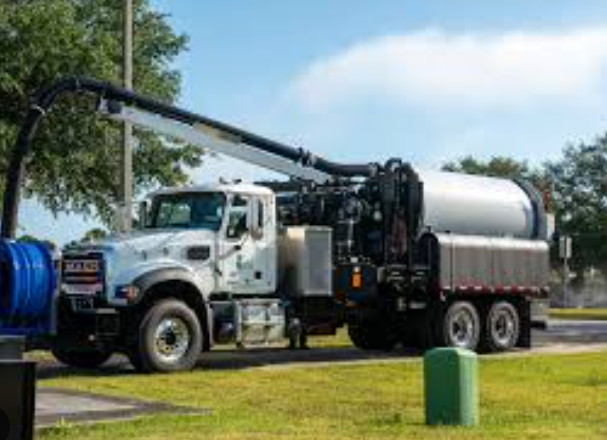
Industrial water extraction in commercial restoration involves truck-mounted extraction units capable of removing thousands of gallons in a single session. For multi-story buildings, portable high-capacity submersible pumps are deployed to each affected floor, draining standing water simultaneously across the building.
Wet carpeting, ceiling tiles, and soft furnishings are assessed for salvageability during this phase. Items that cannot be adequately dried and restored are removed promptly because leaving saturated materials in place extends the drying timeline and increases the risk of microbial contamination.
Document protection is also a priority during extraction. Important records, electronics, and inventory are moved out of the affected zone and assessed for recovery as early in the process as possible.
For a detailed breakdown of what this phase looks like, read the Commercial Water Damage Restoration Services Guide.
Step 4 ; Structural Drying and Monitoring
Once standing water is extracted, the real drying process begins. And this is where experience makes all the difference.
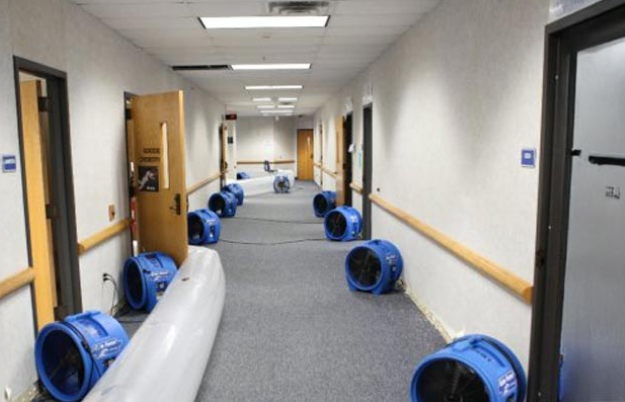
Commercial structural drying is not simply placing fans and waiting. It is a calculated, science-based process. Restoration professionals use psychrometric calculations; the science of air and moisture ratios; to determine the precise number and placement of air movers and dehumidifiers needed to achieve efficient, even drying throughout the structure.
Moisture meters and hygrometers are used daily to monitor every affected material, tracking the drying curve over time. This data is documented and shared with the property manager and insurer. Materials are not considered dry based on how they look or feel; they are considered dry when moisture readings return to baseline standards as defined by IICRC S500 protocols.
This phase typically runs between three and seven days for moderate commercial losses, and longer for large-scale or multi-story events. Rushing this phase is one of the costliest mistakes in commercial restoration because residual moisture left inside wall cavities or under flooring creates mold within weeks.
For understanding how mitigation works at a technical level, explore Water Mitigation Services Explained.
Step 5 ; Sanitization, Mold Prevention, and Reconstruction
Once the structure passes all moisture testing, sanitization begins.
Every affected surface is treated with EPA-approved antimicrobial and antifungal solutions. This is especially critical in commercial environments where health standards, regulatory compliance, and occupant safety are non-negotiable. Hospitals, multifamily residential units, and hotels face specific code requirements around air quality and sanitation that a commercial restoration provider must understand and meet.
HVAC systems and air ducts that were exposed to moisture during the event are also assessed and, where necessary, cleaned and treated to prevent spore distribution throughout the building.
Once the space is fully sanitized and cleared, reconstruction begins. This means replacing drywall, reinstalling ceilings, repairing flooring, restoring cabinetry, and repainting; returning the commercial property to its pre-damage condition or better. You can learn more at Property Restoration Services: What Owners Must Know.
How Water Damage Affects Different Business Types
Commercial water restoration is not one-size-fits-all. Different business types face unique challenges and require specialized protocols.
Hotels and Hospitality Properties A water event in a hotel means immediate guest displacement, revenue loss per room per night, and potential reputational damage through online reviews. Fast containment and phased restoration ; where unaffected wings remain operational while damage is addressed; is the priority. Read Hotel Restoration Services: How to Minimize Downtime for more insight.
Apartment Complexes and Multifamily Units When water damage occurs in a multifamily property, it often affects multiple units vertically. A leak on the fourth floor can saturate ceiling, wall, and flooring materials through the third, second, and first floors. Every affected tenant’s unit must be assessed, documented, and restored. This requires coordination, communication, and a restoration team large enough to handle simultaneous workstreams.
Hospitals and Medical Facilities Healthcare settings require the strictest possible protocols. Sterile environments, immunocompromised patients, and regulatory oversight mean that commercial water restoration in a hospital cannot compromise air quality, containment, or timeline. A certified restoration team with healthcare facility experience is essential ; not optional.
The Insurance Side of Commercial Water Restoration
Navigating commercial property insurance after a water loss is one of the most stressful aspects of the recovery process.
Commercial policies vary significantly. Some cover business interruption losses during restoration. Others have specific sub-limits for mold remediation or flood damage. Understanding what your policy actually covers ; before a loss occurs ; is essential preparation for any commercial property owner or manager.
When a commercial water event happens, documentation is everything. The restoration team’s moisture logs, extraction records, photo documentation, and scope of work become the foundation of your claim. The more thorough and professional that documentation, the smoother the adjuster process tends to be.
An experienced commercial restoration provider will work directly with your insurance adjuster, providing the technical language and documented evidence adjusters need to process claims efficiently.
You can explore location-specific insurance assistance resources here:
- Insurance Claim Assistance in Canyon Lake
- Insurance Claim Assistance in Houston
- Insurance Claim Assistance in Dallas
- Insurance Claim Assistance in Fair Oaks Ranch
What Makes a Commercial Restoration Provider Trustworthy
Not every restoration company is equipped to handle commercial-scale water events. Here are the key qualities to evaluate before you commit.
Certifications Look for IICRC (Institute of Inspection Cleaning and Restoration Certification) credentials, specifically the Water Damage Restoration Technician (WRT) and Commercial Drying Specialist (CDS) designations. These certifications mean the team is trained to industry standards for large and complex water events.
Industrial Equipment Inventory A commercial restoration provider should own, not rent, their core equipment inventory. Renting equipment introduces delays during the critical first hours of response.
Documented Restoration Process Every phase of a commercial restoration should be documented with moisture readings, photographs, and daily progress logs. This protects both the property owner and the insurance adjuster.
Commercial-Specific Experience Ask directly whether the company has experience with your type of property. A company that primarily handles residential homes will face a significant learning curve when tasked with a 12-story commercial building or a hospital wing.
24/7 Availability with Fast Response Commercial water events do not wait for business hours. A provider with true 24/7 availability and a guaranteed response window is essential. You can also review Prime Time’s approach at Why 24/7 Restoration Services Matter.
Prime Time Restoration’s Approach to Commercial Water Damage
Prime Time Restoration serves hotels and hospitality properties, multifamily units, apartment complexes, hospitals, and a wide range of commercial properties across San Antonio and its surrounding communities ; including Austin, Boerne, Buda, Canyon Lake, Cibolo, Converse, Dallas, Fair Oaks Ranch, Hondo, Houston, Kyle, Live Oak, Leon Valley, New Braunfels, San Marcos, Schertz, Seguin, Selma, Spring Branch, Timberwood Park, and Universal City.
The team is on-site within 90 minutes of your call, around the clock, every day of the year. Prime Time’s commercial water restoration process covers everything from initial emergency response through final reconstruction; including full insurance claim coordination, discard list documentation, and compliance with industry certifications.
Prime Time also specializes in Commercial Mold Remediation to address one of the most significant secondary risks of commercial water damage.
For questions, contact the team directly:
- Phone: 210-656-3469
- Email: [email protected]
- Address: 11495 Topperwein Road, San Antonio, TX 78233
Read what past commercial clients have experienced at Prime Time Restoration Testimonials.
Connect with the team on Instagram, Facebook, and LinkedIn.
Conclusion
Commercial water restoration is not a transaction. It is a coordinated emergency response that determines whether your business recovers quickly or spends months fighting secondary damage, mold remediation, regulatory violations, and lost revenue.
The five steps covered in this guide ; emergency response, containment, extraction, structural drying, and sanitization ; work together as a complete system. Skip one step or rush through it, and the entire structure of the recovery is compromised.
As a business owner or property manager, you have already built something worth protecting. Hotels. Apartment communities. Medical facilities. These are not just buildings. They are environments that people depend on.
The only acceptable response to commercial water damage is a fast, certified, documented, and fully accountable restoration process.
If your commercial property faces a water emergency today, Prime Time Restoration is ready to respond. Don’t let one incident become a months-long operational nightmare and let the professionals handle it from minute one.